My Story
Persistence, faith, and a reason to get dressed.
People can make assumptions about you based on what you wear, how you look, or how you express yourself. I know what it feels like to be labeled, misunderstood, overlooked, or excluded because of my style—whether it is a changing hairstyle, a fitted outfit, tattoos, or a nose ring. But you cannot understand the full value of a person by looking at the outside. Perspective matters. When we take time to understand why someone is the way they are, we have a chance to see what they bring and what we might otherwise miss.
Faith
Faith has carried me through.
For much of my life, I tried to fit in. I tried to look like other people, do what they expected, and mask parts of myself. When I finally chose to live more authentically, I also experienced some of the loneliest seasons of my life. It can be hard to relate to others when you are meant to be a trailblazer and you do not look or move like everyone around you.
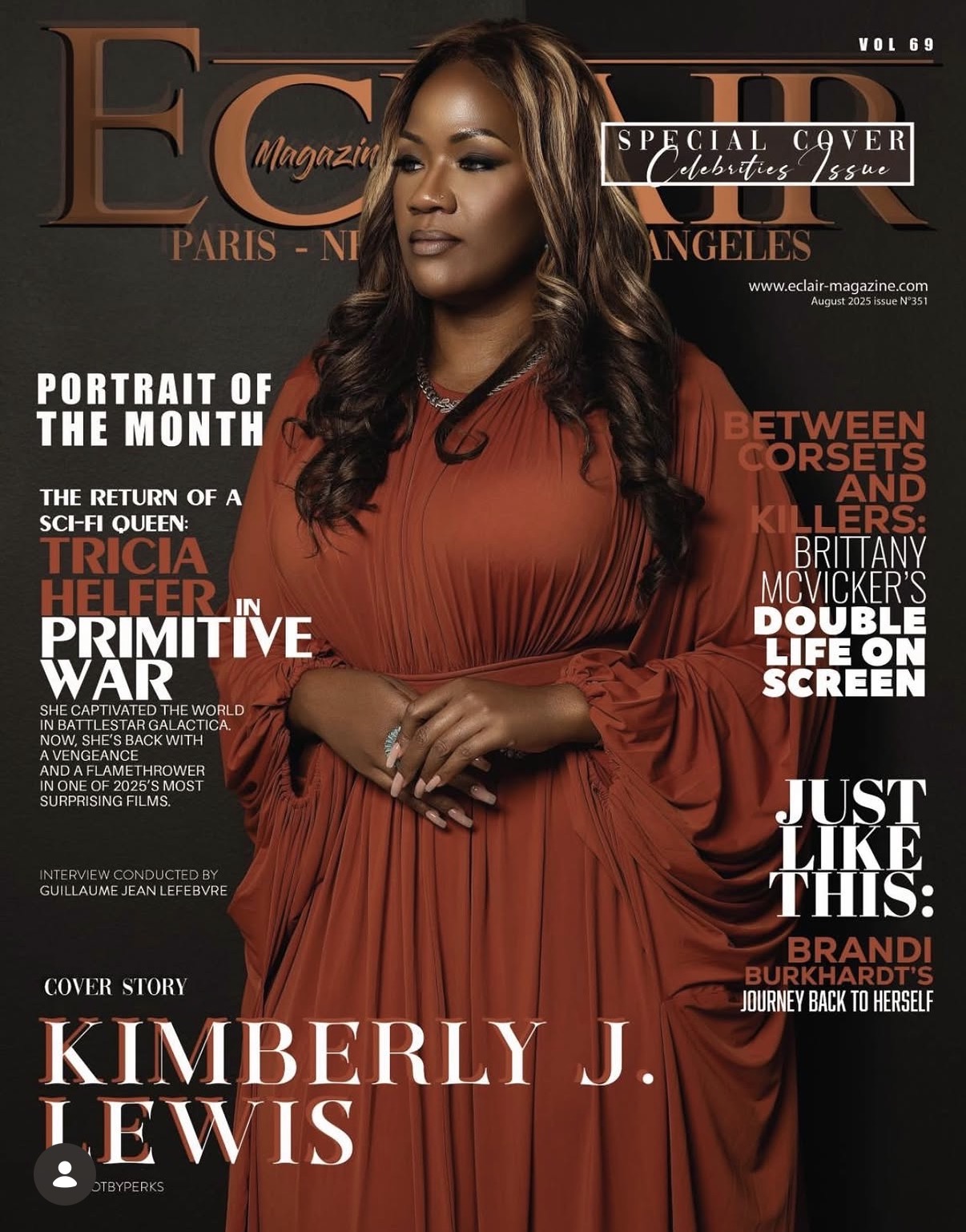
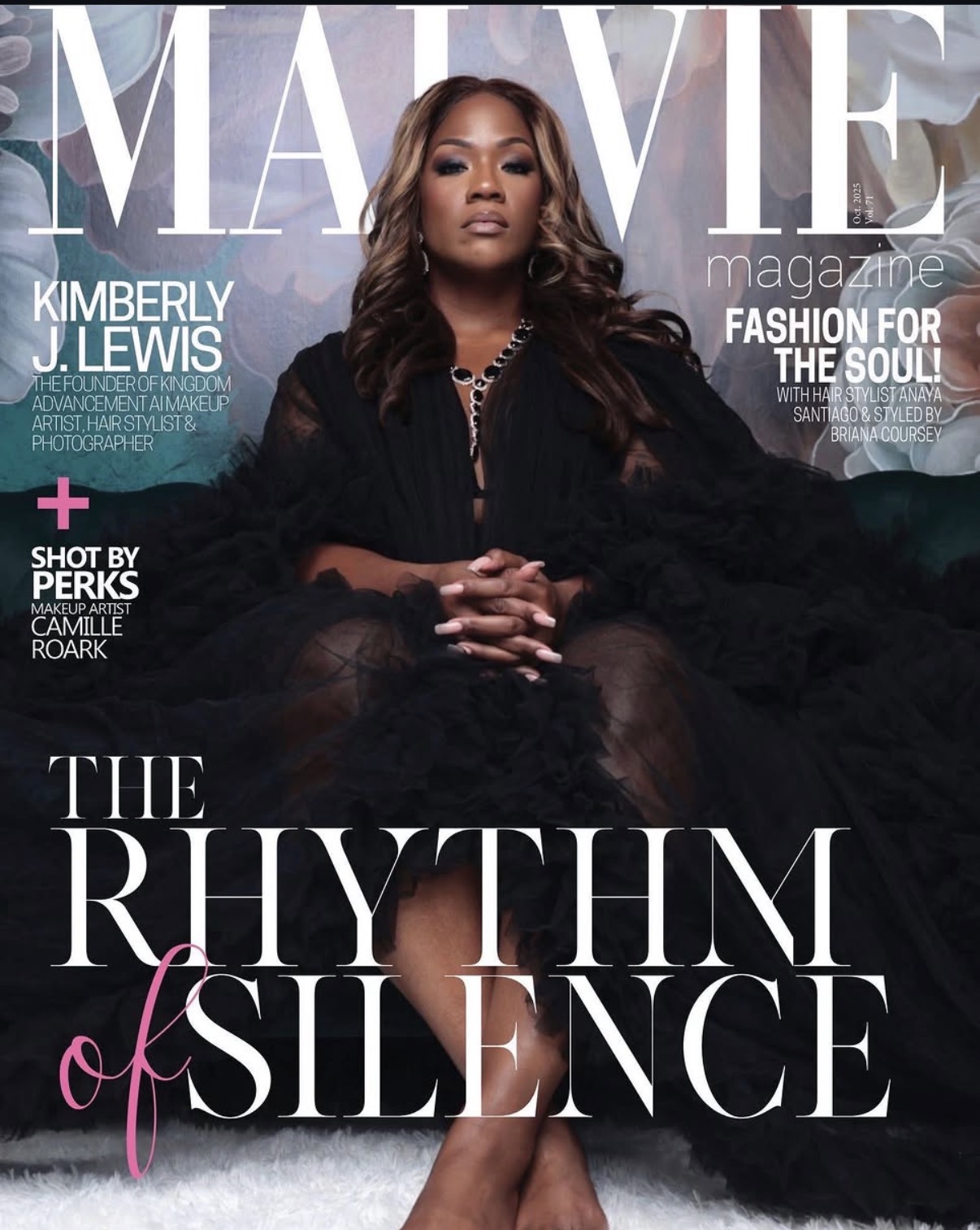
I was plus-size growing up and dreamed of modeling. I went to modeling agencies and contests hoping to be featured, but I was told I was too big—even to be a plus-size model. I watched America’s Next Top Model and imagined that one day I might grace a magazine cover.
When I finally appeared on magazine covers, it reminded me that I could keep faith, do the work, and show up as myself—and trust God with what came next.
A neurodivergent mind
The difference people misunderstood became part of my strength.
For much of my life, I was ostracized, excluded, mishandled, or treated as though something was wrong with me. The way I think has not always been understood. Yet some of the differences that were misunderstood in one season have become part of what makes me valuable, respected, and able to contribute in this season.
I founded God’s Diamonds to support people with neurodivergent minds who have faced hardship because they think and experience the world differently. I believe divergent thinking can help make a difference in the world. My story is one example of what can happen when people are given room to be understood and to use their strengths.
Turning rapid thoughts into technology
I turn ideas into things people can use.
My mind can move quickly. At times, the rush of thoughts and ideas can feel overwhelming. I have also learned how to channel that energy into technical and digital work: taking ideas that matter to me and shaping them into systems, tools, and experiences that can live in the world.
I build things rooted in passion and purpose—work that other people can see, learn from, use, and benefit from. Creating gives my ideas a place to go and lets me turn what I care about into something tangible.
Brain trauma and memory
My path has included challenges with memory and thinking.
When I was a baby, I was accidentally dropped and experienced a concussion. In my adolescent years, I was hit by a car and knocked to the side of the road. I had no major visible injuries beyond a few scratches, but I do not remember every part of what happened. I have had to learn some of that story from other people.
At different times in my life, I have also experienced significant memory difficulties and periods when it felt hard to think clearly or make decisions. I went through therapy and received temporary treatments intended to stimulate my brain and support its functioning, including treatments also used with people experiencing early-onset Alzheimer’s.
These experiences are part of my story, but they are not the whole of it. I continue to adapt and find ways to move forward.
Mental health, family, and hard seasons
I have survived seasons I once did not know how to carry.
I have lived with depression since childhood, faced many mental-health challenges, and had many hospital visits and different diagnoses over the years. In 2001, during a time when past pain felt impossible to carry, I survived a suicide attempt. I share that as part of my survival story—not as the whole story of who I am.
Mental health has also affected my family. We have faced financial strain and the ongoing work of caring for one another, especially when someone cannot manage everything alone. We have had to learn how to stay connected and support one another through difficult seasons.
Why I still get dressed
Getting dressed helps me show up with hope.
I still get dressed because caring about how I look helps me remember that I will not always be where I am right now. I believe God created and equipped me for more, and getting dressed is one way I care for myself and prepare to keep showing up.
I can put on a $20 dress, a $40 wig, and $30 shoes and wear them with confidence. The price tag does not determine the presence. Sometimes people wonder why I am dressed up. For me, it is a way of showing up for the future I believe is possible—not being defined by where I am today.
I show up as myself, with faith that the future God has for me is still unfolding. I want to be ready for the opportunities I have been created to step into.